
THE DEATH OF LOCAL GOVERNMENT IN WA?
 By Carmelo Amalfi and Michael Southwell
COURT challenges. Failing administrations. Sacked CEOs, budget blowouts, rate rises and councils divided by politics and personal agendas.
There is no shortage of ‘rot’ to reflect the dysfunctional state of local government in WA. Perth, Fremantle, Gingin, Port Hedland, Bridgetown and Capel, to name just a few.
There are 137 local government areas in WA including 27 cities, 102 shires and eight towns which exist and manage their own affairs under the Local Government Act (1995). Well, they try.
Four councils including Fremantle, Gingin, Kalgoorlie-Boulder and Menzies also are in the court of disputed returns challenging the WAEC results of the 2025 elections, as reported exclusively by StreetWise (‘Multiple 2025 Election Results under scrutiny’ 30 January 2026).
The City of Nedlands was dissolved last year after four councillors resigned, the council now faced with a $27 million ‘catastrophic’ debt; the Town of Port Hedland mayor resigned this year, leaving council without a quorum; and Coolgardie narrowly avoided suspension by the government over its financial shortfalls.
Elsewhere in WA, staff and elected members are leaving in noticeable numbers disillusioned at the level of political interference and financial mismanagement that has led to budget blowouts and rate increases.
At the City of Perth, staff and elected members are on notice in the wake of Mayor Bruce Reynolds’s independent workplace culture review in December last year.
In Quairading, 170km east of Perth, locals await the next court appearance of former CEO Natalie Ness who was charged in November last year with numerous offences.
Police allege she unlawfully directed thousands of dollars of shire money into her personal bank account, reportedly derived from deposits and payments made by land buyers. Police also allege she used shire money to pay for two fridges for her residences in Mount Pleasant and Highgate, and paying for hire cars.
 StreetWise understands she needed to use hire cars because her son had use of the Shire-provided vehicle which was part of her employment package. When she resigned from the role in July last year the Quairading shire council went online and thanked Ms Ness for her service and wished her well in her future endeavours.
In Capel near Bunbury, the Council has entered the questionable practice of making decisions in secret. Many Councils regularly stray into this area by holding so-called ‘councillor briefing sessions’ with the staff, without members of the public in the room.
Decisions are effectively made by achieving ‘consensus’ at private meetings and when it comes time for the council to meet, the items in question are passed (usually unanimously) without further discussion or debate.
At a special meeting on September 3 last year, Capel councillors went behind closed doors to discuss a new lease for the Boyanup cattle saleyards and a ‘matter’ concerning a shire employee.
The minutes say only that they agreed to do things contained in two confidential documents. So a secret meeting making secret decisions. This from an organisation, which calls itself ‘open and accountable’ (Southwell was shire president of Capel from 2019 to 2021).
Watchdog appointed
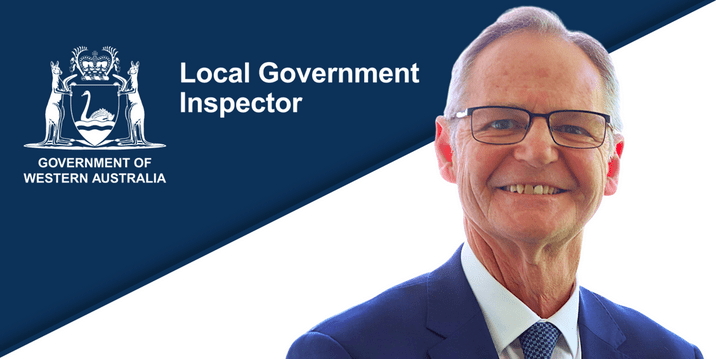
The first Labor-appointed local government inspector Tony Brown can intervene in dysfunctional councils, send in legal and financial monitors and suspend or dismiss entire councils including elected members.
The government inspector can appoint an adjudicator with powers to order mediation, make findings and order sanctions. Penalties include public censure, apologies, counselling or training and withholding of fees and allowances. Elected members also can be disqualified for 10 years if suspended three times.
Will this heavy handed approach perceived by the wider community as State interference in local government have any impact on the way councils function in WA?
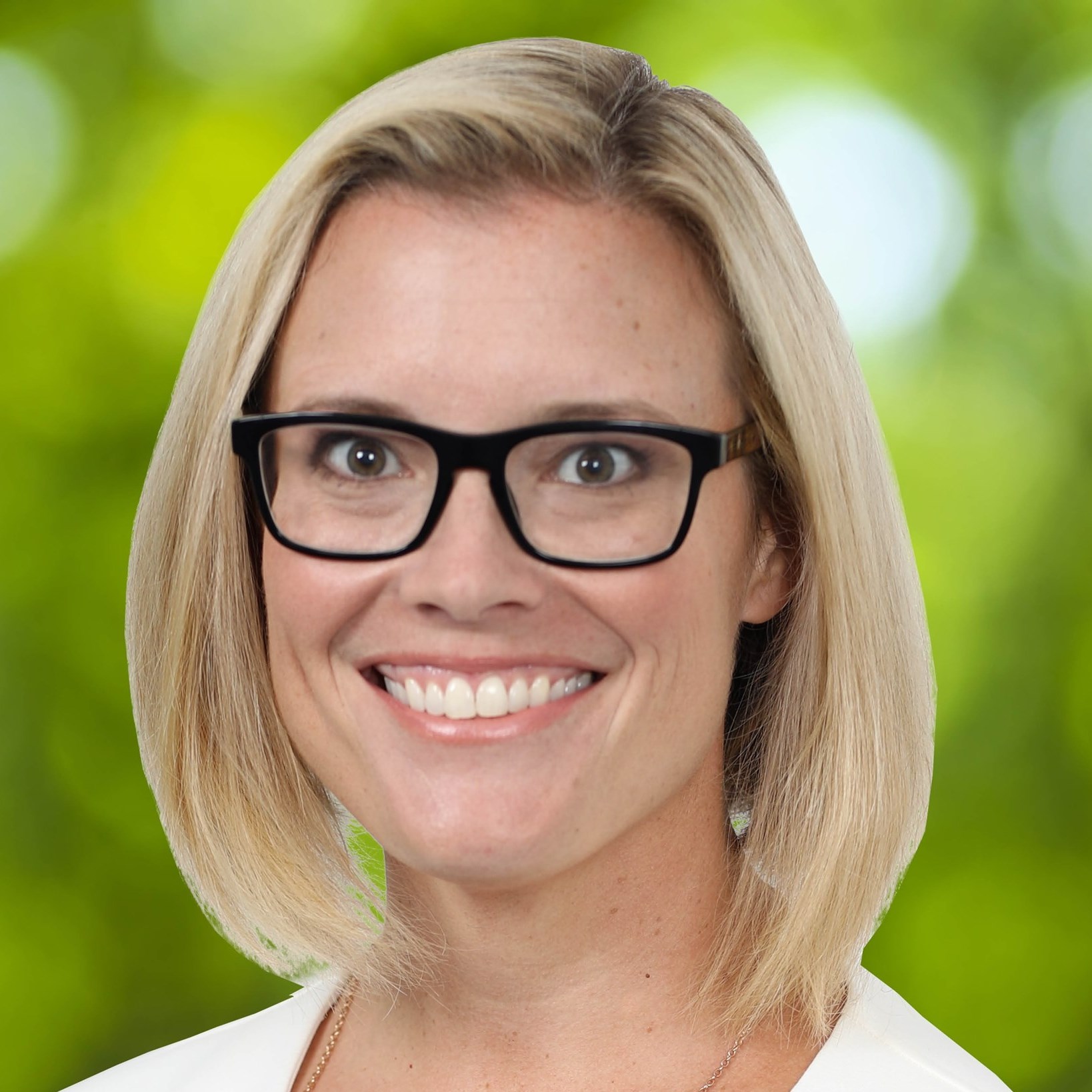 Local government minister Hannah Beazley has said she is hopeful the inspector’s ‘extra level of oversight’ will go a long way to address dysfunction in local government: “At any given time, there are a number of local governments that we’re taking closer look at … depending on the decisions that they’re making.”
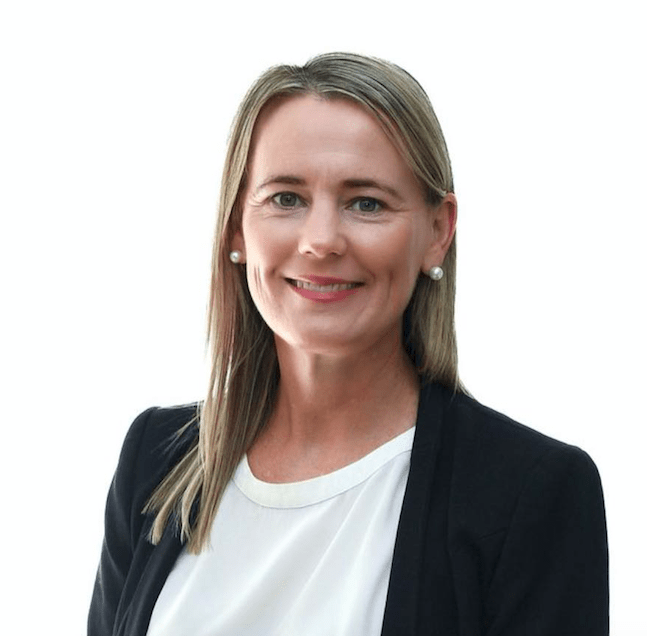 Opposition local government spokesperson and former Chapman Valley councillor Kirrilee Warr said when she entered parliament she encountered a litany of complaints by WA ratepayers and elected members: “The promise of reform has not translated into meaningful change. Councils across WA are being left to struggle under the weight of unresolved issues, with little leadership or support from the State Government.”
She said local government is the level of government closest to the people: “Councils fix roads, collect rubbish, run libraries, maintain sporting facilities and strengthen communities. They are not an afterthought; they are an essential part of our democracy and our daily lives.”
Ms Warr said the majority of councils did great work led by dedicated staff and councillors who often went above and beyond, yet lacked support: “We also increasingly see councils being sidelined from major decisions including renewable energy projects, future industries, and matters that impact their local communities. I’m not saying local governments should always be the decision-making body, but they deserve a seat at the table and for their expertise and local knowledge to be respected.”
Additional reports at www.streetwisemedia.com.au.


