
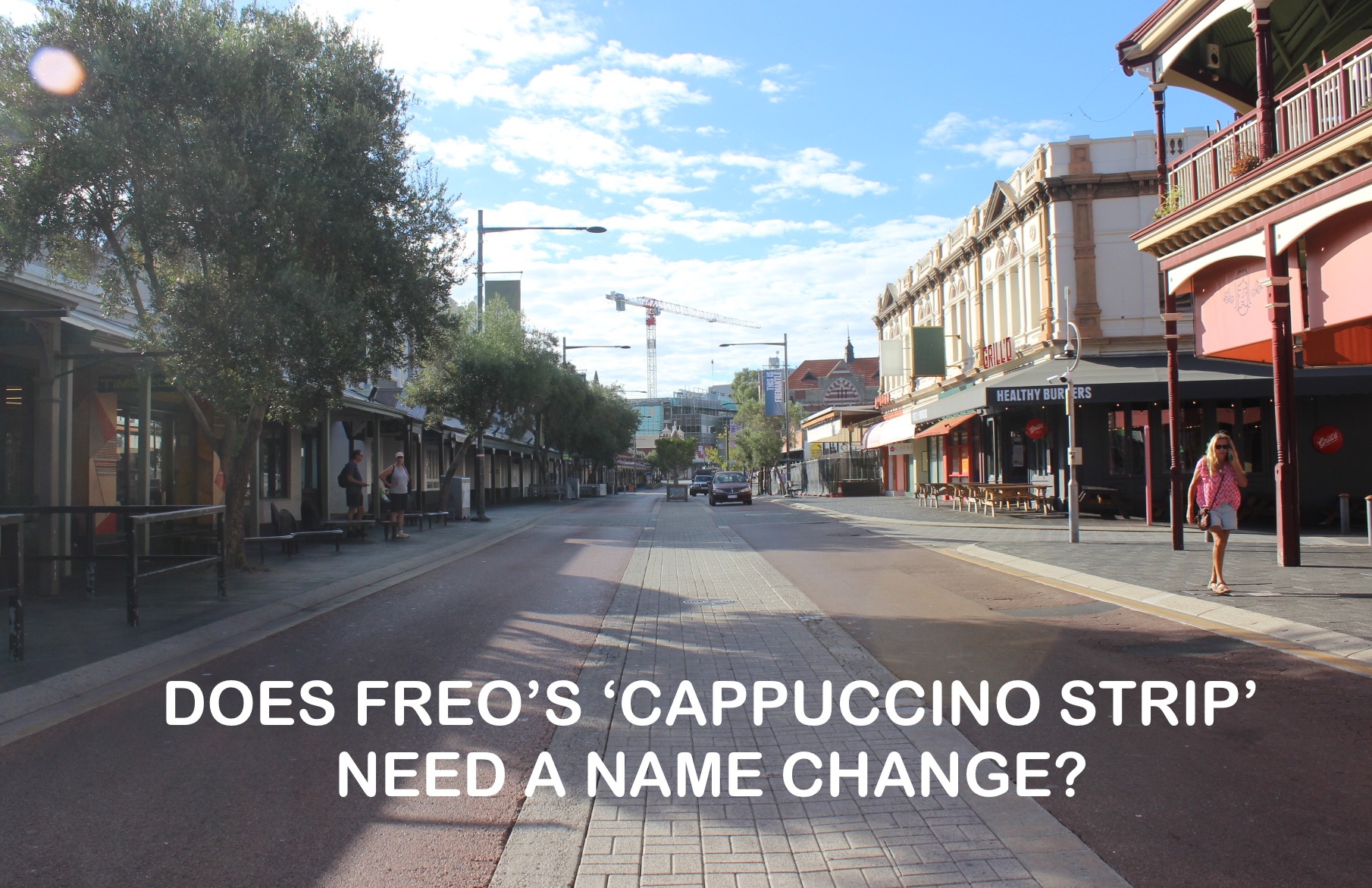
FREO’S ICONIC CAFE STRIP LOSES SHINE – PART ONE
DOES Freo’s iconic cafe strip need a name change? Is calling and promoting it as the ’Cappuccino Strip’ false advertising? In this two-part report, StreetWise publisher Carmelo Amalfi explores the rapidly changing future of WA’s famous al fresco destination.
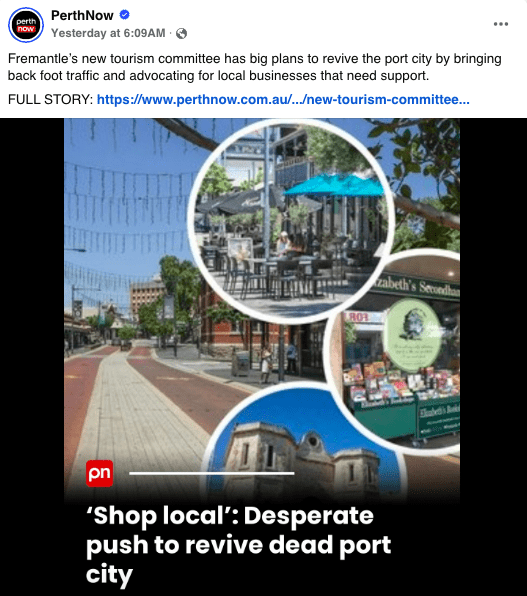
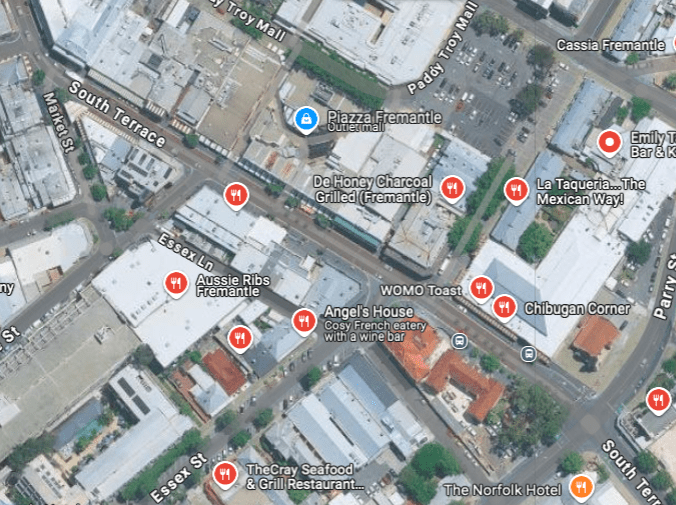 NEWS FEATURE: The ‘Cappuccino Strip’ stretches nearly 300m from where Market Street meets South Terrace to the Norfolk Street traffic lights. Once you pass go, you’re on the ‘Strip’.
Birthplace of alfresco dining in WA. Sacred turf. Our bestseller. Witness to special moments in the social and cultural life and development of the port city. From horses and trams to America’s Cup celebrations and Anzac Day parades, arts and music festivals, replica ships, finals fever and ‘bogan’ streetcars which still tear up the popular strip most weekends. Business owners, investors and workers from various trades and industries converge here most days to pause and watch the world go by over a kick-arse coffee or cocktail, steaming hot pizza, computer homework or new book.
 The Strip is a rite of passage for generations of locals who have lived, worked and grown up on this well-used thoroughfare where alfresco king Nunzio Gumina, who still wines and fine dines on Essex Street, introduced outdoor tables and chairs, and cool umbrellas. Part of a 2.6km link to Duoro Road in South Fremantle, the name of the historic cafe strip emerged in the aftermath of the America’s Cup, the WA Government having relaxed temporarily laws to allow alfresco diners to drink alcohol (the late Fremantle real estate agent Jeff Brockway reportedly coined the name in the early 1990s after the proliferation of cafes along the strip).
 This popular 300m of bitumen was shaped over nearly 200 years of planning and development, decorated with heritage-listed architecture and prosperity of local fishing and fresh food-producing migrant families and businesses including Gino’s, Papa’s, Portorosa, Benny’s, Pizza Bella Roma, Grill’d, Sandrino’s, Newport, Sail & Anchor, Metropolis and Timezone.
Many of these businesses have closed or sold out. Today, the Strip looks sick and sorry.
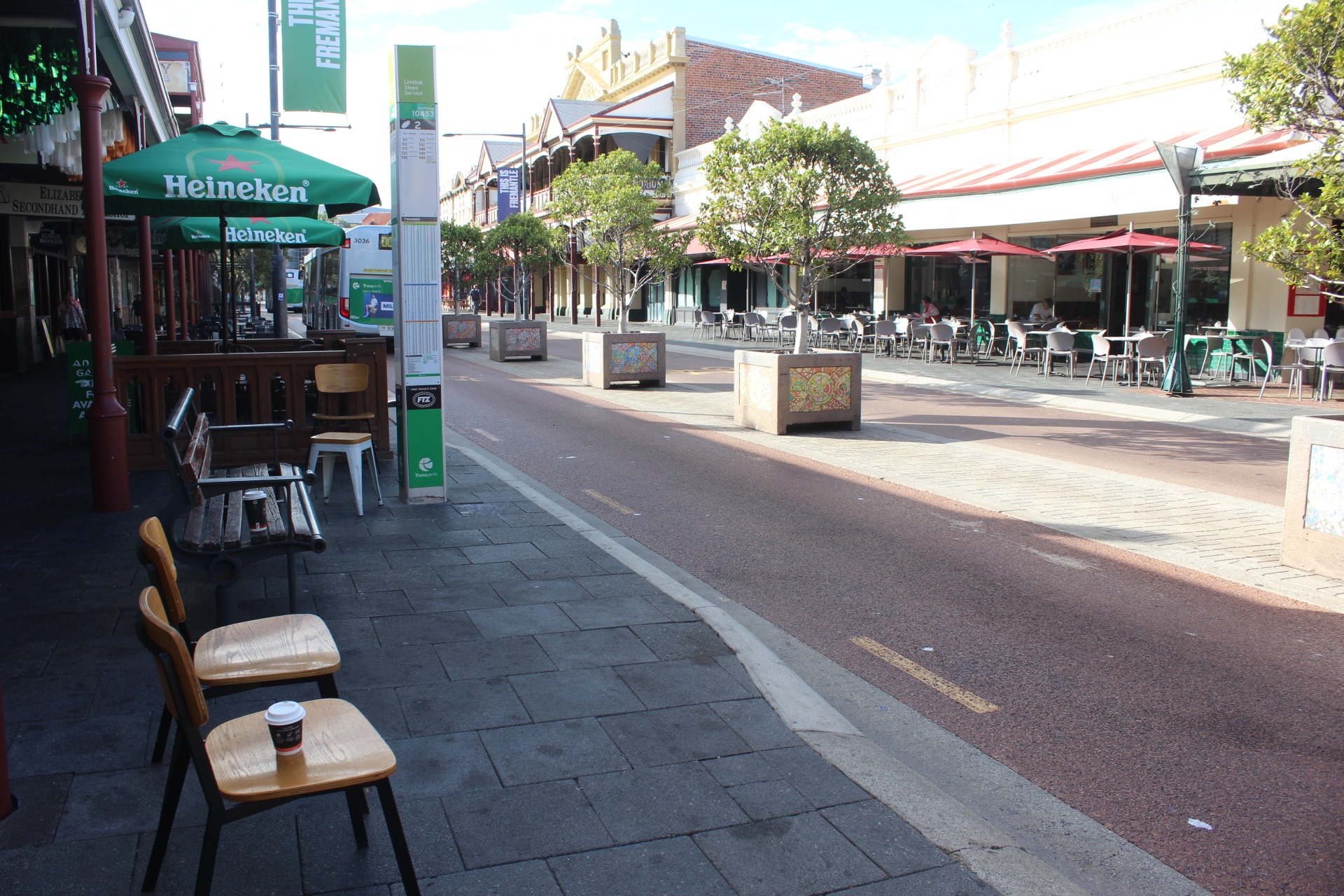 Most of the yellow bicycle stencils are dirty and fading under layers of traffic pollution that sweeps through this wind tunnel where people eat and drink most days.
The few street trees and planters reflect the city’s disappearing canopy and cracked renders and rust adds to the character.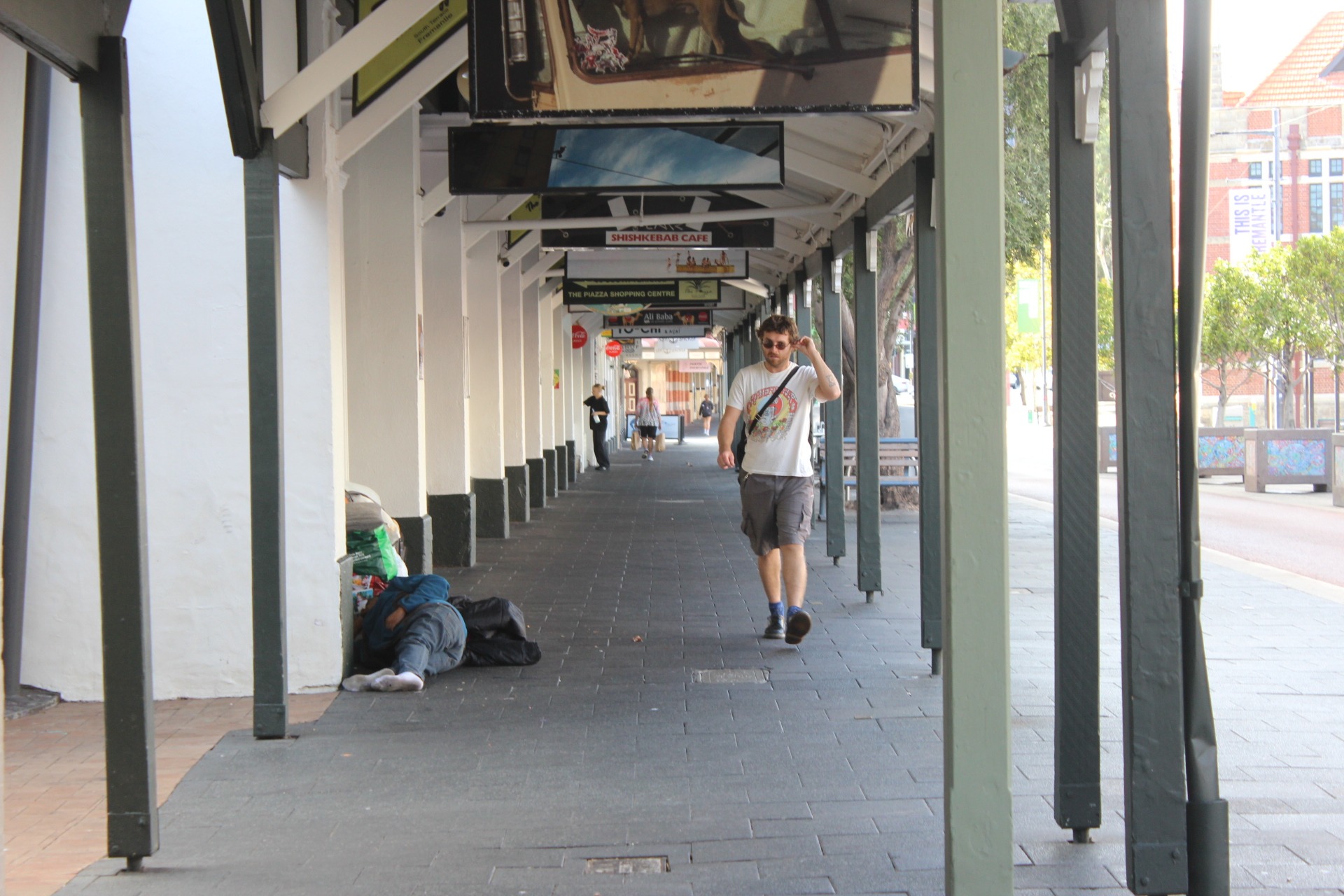
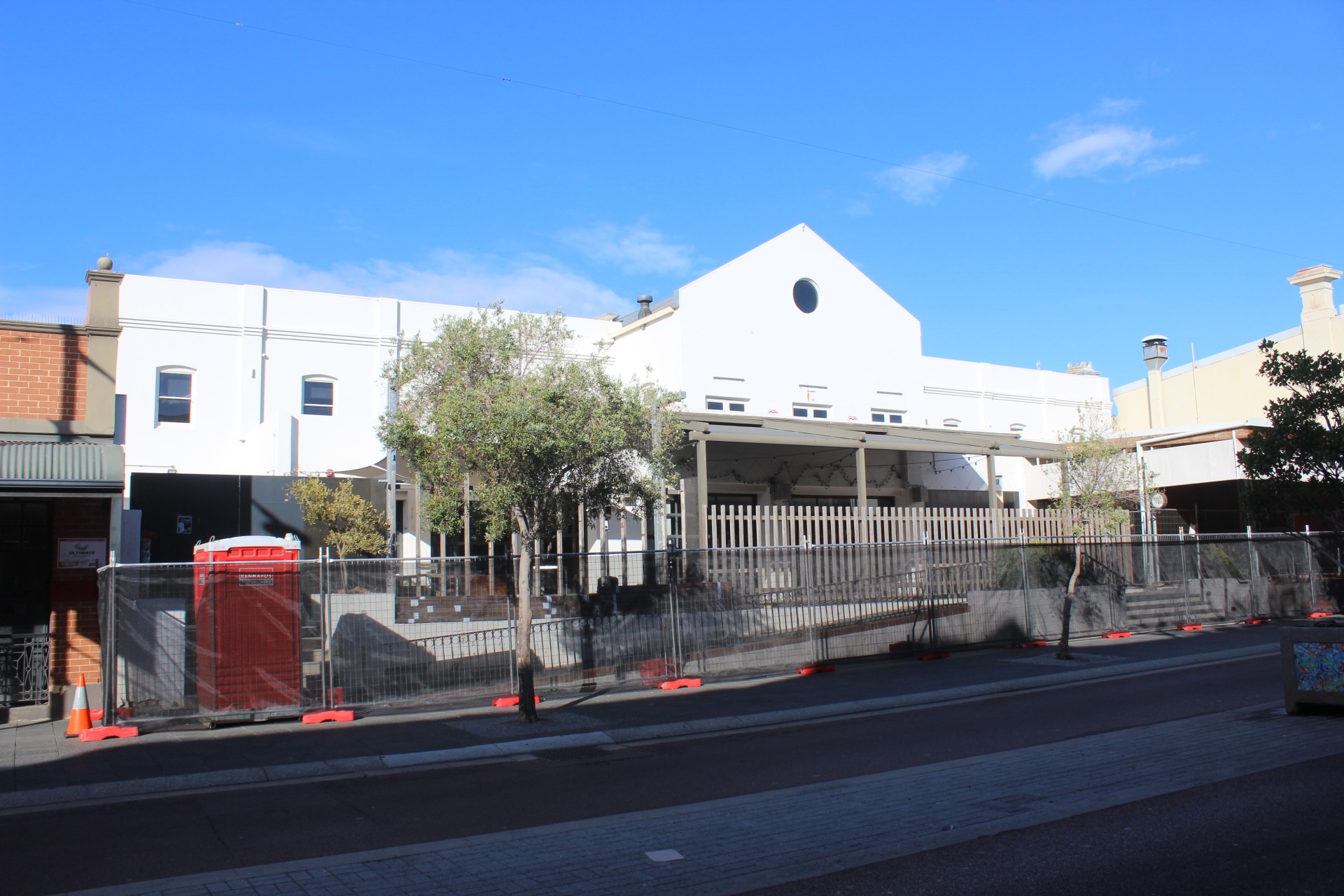
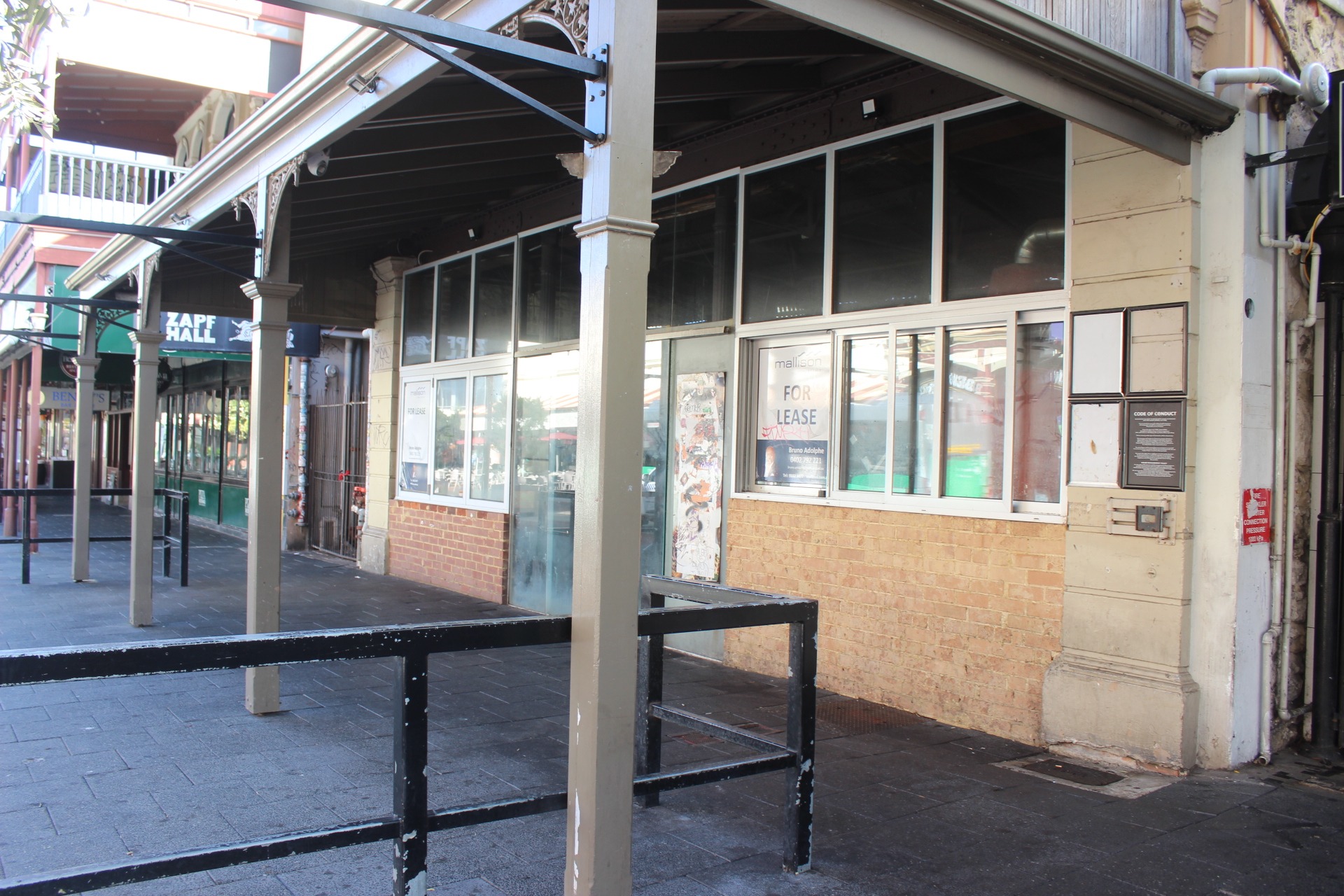
Buildings are boarded up and will take time to fill. In the meantime, homeless people, many dealing with mental health and drug and alcohol problems, sit and sleep where they can.
One of the city’s most prosperous food and entertainment strips now reduced to hotels and bars (with more to come), burger and kebab joints, barber and souvenir shop, a couple of nightclubs and empty doorways and vacant shopfronts for the cold and hungry. So what happened?
Destination Freo?
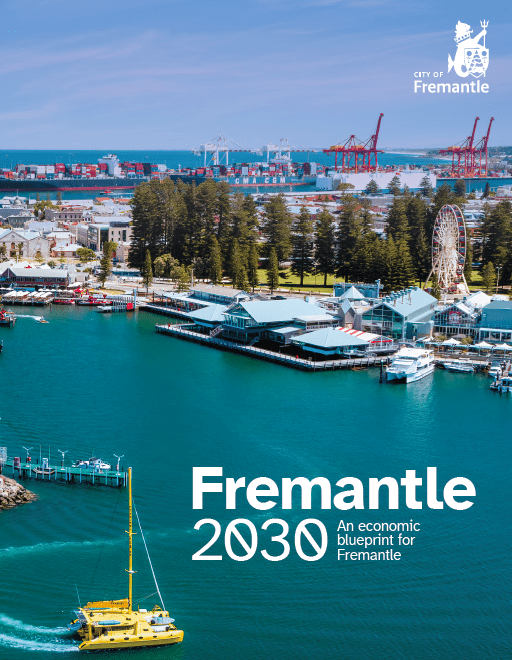 TOURISM is a big driver of Fremantle’s business ‘ecosystem’. International visitors, cruise ships and local and interstate travellers are promised a unique Freo ‘experience’ in one of the most isolated ports in the world.
Nearly 80 per cent spent in the city each year is by non-residents, the rest locals.
In 2023-2024, Fremantle attracted 1.3 million local, intrastate and international visitors who generated $1.2 billion in income and thousands of jobs in food, hospitality, the arts, heritage and entertainment.
By 2028-2029, Fremantle’s economy is forecast to generate $5.8 billion and a workforce of 37,036: “Local jobs growth is forecast to be elevated in 2024-2025 as some major projects come on board.”
Note, the figures are partly based on ‘central Fremantle’ which includes areas outside the Strip such as the West End, Fishing Boat Harbour and Fremantle Golf Club.
The City states Fremantle is trending back to pre-COVID visitor numbers. Visitation it says is recovering, but still 18 per cent down from 2019, “largely due to fewer day trips and international visitors. Domestic overnight stays, however, are up 6 per cent”.
This ‘tourism rebound’ highlighted, “Fremantle’s strength as a tourism destination and supporting hospitality employment”. Additionally, cruise ship visitors are driving this “surge in visitation”.
 Fremantle Chamber of Commerce CEO Chrissie Maus is a member of a new destination marketing working group that will play a key role in achieving Freo’s ‘renaissance’. It replaces the original destination team established in 2018. Ms Maus was on that tourism industry advisory body that provided input into the Destination Marketing Strategic Plan 2018-2022 and Destination Development Strategy 2023-2027.
This led to ‘This Is Fremantle’ campaign in 2019: “To support the longevity of Fremantle as a destination and to enable the ‘This is Fremantle’ brand to thrive, it needs to be supported by equally compelling, on-ground experiences, quality infrastructure, and remarkable services to entice repeat visitation.”
 After eight years and more than $2.5 million, there is little to show except what you see today, street banners and hundreds of thousands of dollars spent on print and online promotions such as ‘Freo Story’ which the first destination group found failed to attract few people to ‘Freo-oh!’.
The City says the economy is evolving, “shaped by both ongoing challenges and emerging opportunities. Fremantle’s economy is undergoing a dynamic transformation, navigating both persistent challenges and burgeoning opportunities”.
The new team includes the City, Fremantle Markets, Fremantle Prison, WA Maritime Museum, Esplanade Hotel, Little Creatures, Sealink, Destination Perth, Hello Perth, Off The Vine and WA Sotheby’s Realty.
Ms Maus told StreetWise: “You are absolutely right that we are in a period of transition. Hospitality precincts everywhere evolve over time and Fremantle is no different. While it is always bittersweet to see long standing venues move on, change is also what keeps precincts alive. New operators bring new ideas, new energy and new audiences. Our role collectively is to manage that transition well so that the Strip continues to be one of Fremantle’s most iconic and welcoming places.
 “From what we are seeing, weekends remain extremely strong. The challenge is the weekday economy, which is something many hospitality precincts across the country are grappling with as work patterns and visitor behaviours shift. The opportunity now is to focus on activation, presentation and confidence while the next wave of businesses establish themselves.
“Polishing the Strip in the interim is really about small but visible steps. Activation through events and street life. Maintaining presentation and cleanliness. Encouraging new concepts and experiences to move in. And continuing to tell the story of the Strip as one of the great gathering places of our port city. Fremantle has always had a slightly colourful and creative edge. That is part of its charm and we should lean into it.”
Mayoral concerns
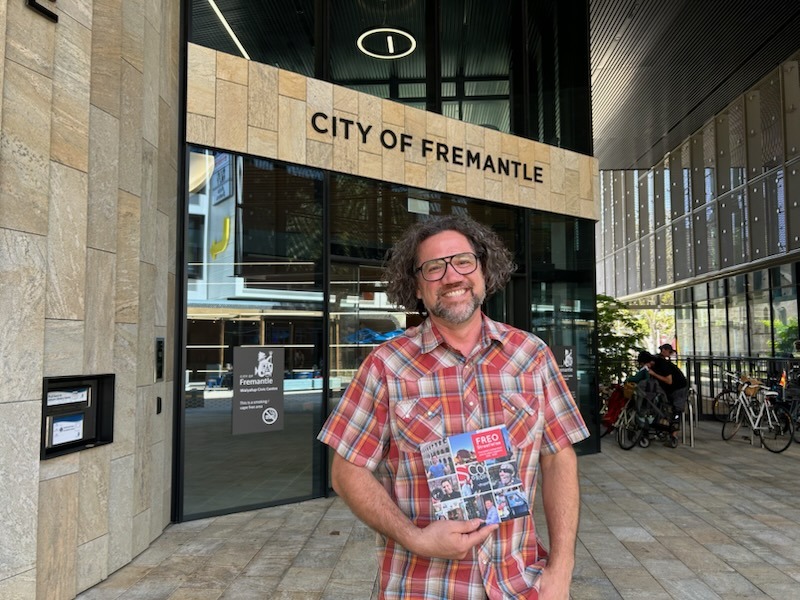 NEWLY minted mayor Ben Lawver agreed the Strip needs TLC: “Yes, the empty shops are a concern, but following my general philosophy that I wouldn’t ask anyone to do something I’m not willing to do myself, City staff are almost ready to present a list of vacant (not activated) city-owned properties.
“I’m going to focus first on getting our house in order, fill up our empty shops/spaces before embarking on any effort to get others to do so.”
Cr Lawver said one of the next steps, “could be an item before council or possibly staff already have enough tools to get the job done, in which case there will be an announcement of some kind”.
StreetWise raised with Ms Maus the idea of a business improvement district (BID) such as the one the City introduced in 2008 when it charged businesses a city centre commercial rate to, “fund the management, administration and delivery of activities aimed at enhancing economic and social viability, and general amenity, of the Fremantle CBD”.
The old and new destination groups are founded and funded on the ashes of this first BID in which the City levied a differential rate on commercial properties, raising nearly $400,000 a year that would be combined with funds from council’s destination marketing budget.
As reported in StreetWise’s October 2018 edition, the Fremantle BID morphed into not-for-profit lobby group ‘Freo Now’, which filled a few empty shops, coached traders and raised money for charity.
 Ms Maus added: “Your question about business improvement districts is a very interesting (exciting) one. They have certainly been successful in many international cities, particularly places like London and parts of North America, where businesses collectively invest in improving the amenity, safety and promotion of their precincts. The concept can work well when there is strong alignment between local businesses, local government and the community, and when the model is carefully designed to suit the character of the place.
“Fremantle is a unique environment with a very strong sense of identity and a diverse mix of independent businesses, so any model like that would need to be considered carefully to ensure it genuinely reflects the needs and appetite of local traders.
“That said, the broader principle of businesses collaborating to strengthen their precinct is always a massive positive one and it is encouraging to see renewed conversations happening around areas like the Cappuccino Strip. It is an important discussion for the city and I appreciate the role you play in helping highlight these issues for the community.
“We are very fortunate in this city to have people who are willing to roll up their sleeves and contribute in that way. Like you!”
Readers can contribute comments at www.streetwisemedia.com.au or on our Facebook page.
Next week: ‘Freo on the menu? – Part Two


