SEASHELL GRAVE SITE FACES DEVELOPMENT THREAT
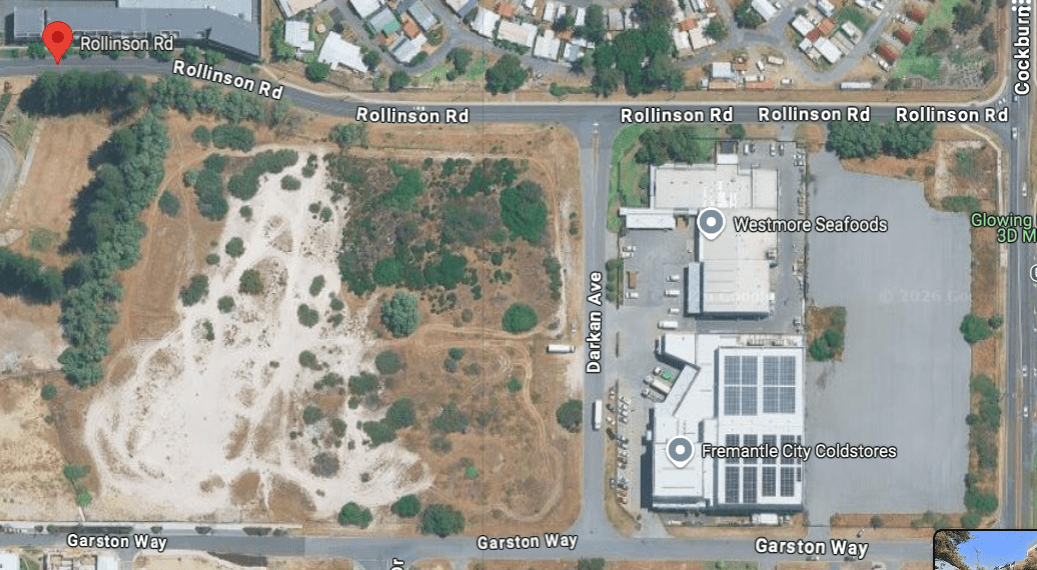
 SOUTH Fremantle horse trainer Terry Patterson was 15 when he first visited the seashell grave at the corner of Rollinson Road and Darkan Avenue in Cockburn. The 74-year-old suburban historian told StreetWise it was common for loved ones to leave shells on coastal resting places of shipwreck victims.
“There were small white shells piled up in a square on the grave and a headstone,” he said during a visit to the now heavily vegetated site.
“I was told it belonged to the bloke who was salvaging timbers on James.”
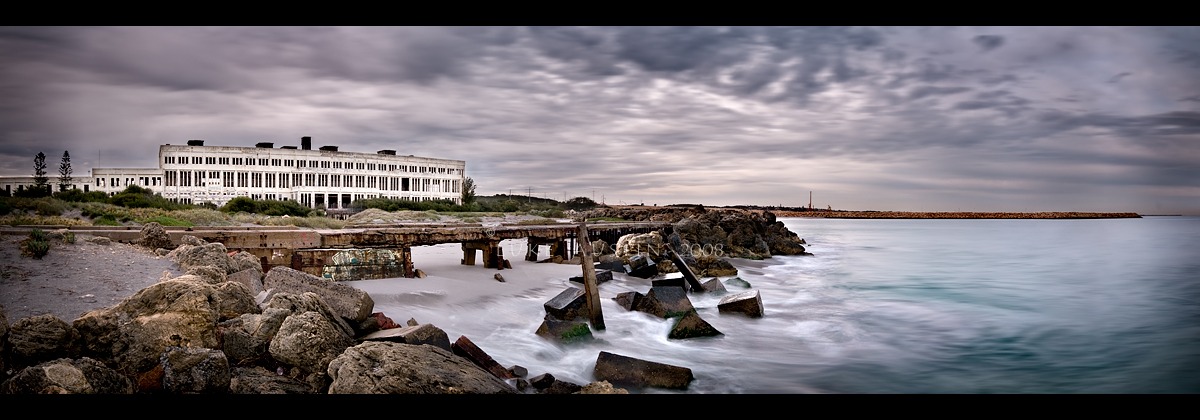
Having spent decades training horses on the heritage-listed coast from South Beach to Coogee, Terry believes the gravesite opposite Fremantle Village belongs to a person associated with James, which was wrecked on May 21, 1830, just north of the old South Fremantle power station.
 The armed wooden brig built in the US in 1812 arrived with 12 crew and 74 passengers from Liverpool to Fremantle under Captain Edward Goldsmith, whose journey was already marred by tragedy. Five people had died by March 4, 1830, nearly three months before James sank off the Cockburn coast.
They included a cook; Mrs Stewart who blamed the crowded state of the vessel for her poor health; Mr Smith, employed by the owners of James; and wife and two-year-old child of Mr Entwhistle.
Captain Goldsmith, of Rotherhithe in South London, was just 25 years old when he embarked for WA on December 23, 1829, with newly wed Elizabeth Day, who was three months pregnant and reportedly gave birth on the ship just before they arrived in WA.
 Instead of calm seas and clear skies, they sailed into a tempest that lasted weeks and also sent Emily Taylor, Thames, Rockingham and Ellen to the seabed.
“During that bad hurricane there were seven vessels wrecked in a distance of eight miles. During the gale the captain’s wife was confined. They took the mother and baby, sewed them in a blanket steeped in rum, threw them off the gig into the sea and hauled them ashore through the surf. They arrived safely and there was no damage whatever to either. (The child, Goldsmith by name, grew up to be a fine young man; he joined a bank in Hobart and died in 1868).”
Thames marked the southern boundary of Fremantle, beached where South Street now ends. Rockingham arrived off Garden Island in heavy weather on May 13, 1830, and was driven ashore by a gale on May 14 where the Kwinana grain jetty is today near Governor Road in Rockingham.
The ship remained beached there while all the settlers were rescued, some finding their way to Thomas Peel’s new settlement near Woodman Point.
Partly submerged in about 4m of water near present-day CY O’Connor Beach, James remained a constant reminder of the dangers of travelling at sea and salvaging shipwrecks.
On January 2, 1831, Edward Sale, a part owner of James, drowned while unloading cargo from the vessel. Terry believes but cannot confirm that Sale’s remains could be buried in the seashell grave.
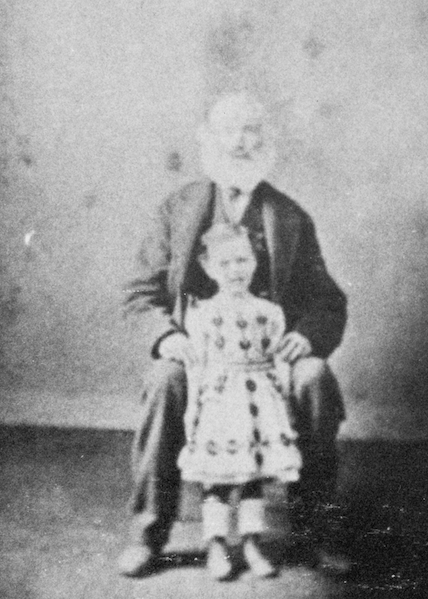
 Henry Rice Bond (pictured here) swam out to try and help Sale, the former London ‘bobby’ having arrived in the colony with his wife Georgiana and four young children, also part of Peel’s failed settlement scheme. Bath-born Bond’s three-year-old son Henry Edward Bond died of scurvy caused by a lack of vitamin C while at ‘Clarence Town’ near Woodman Point on May 9, 1831.
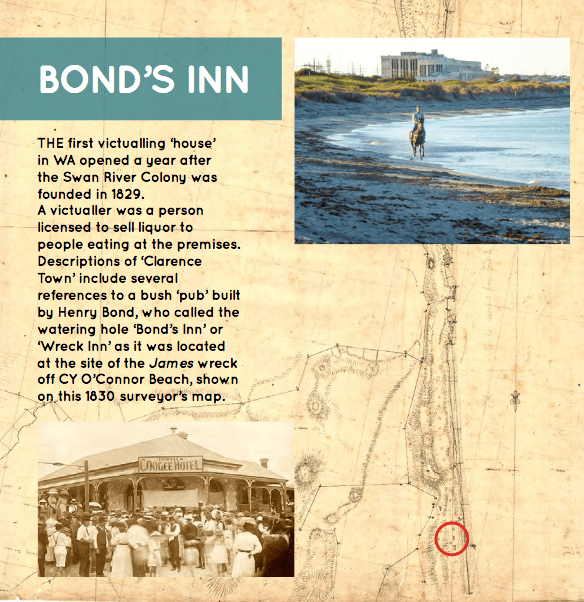
Plans to salvage wreckage from the vessel to build a jetty never eventuated. However, Henry reportedly used salvaged ship timbers to build the first victualling ‘house’ in WA. A victualler was a person licensed to sell liquor to people dining or staying at their overnight ‘roadhouses’.
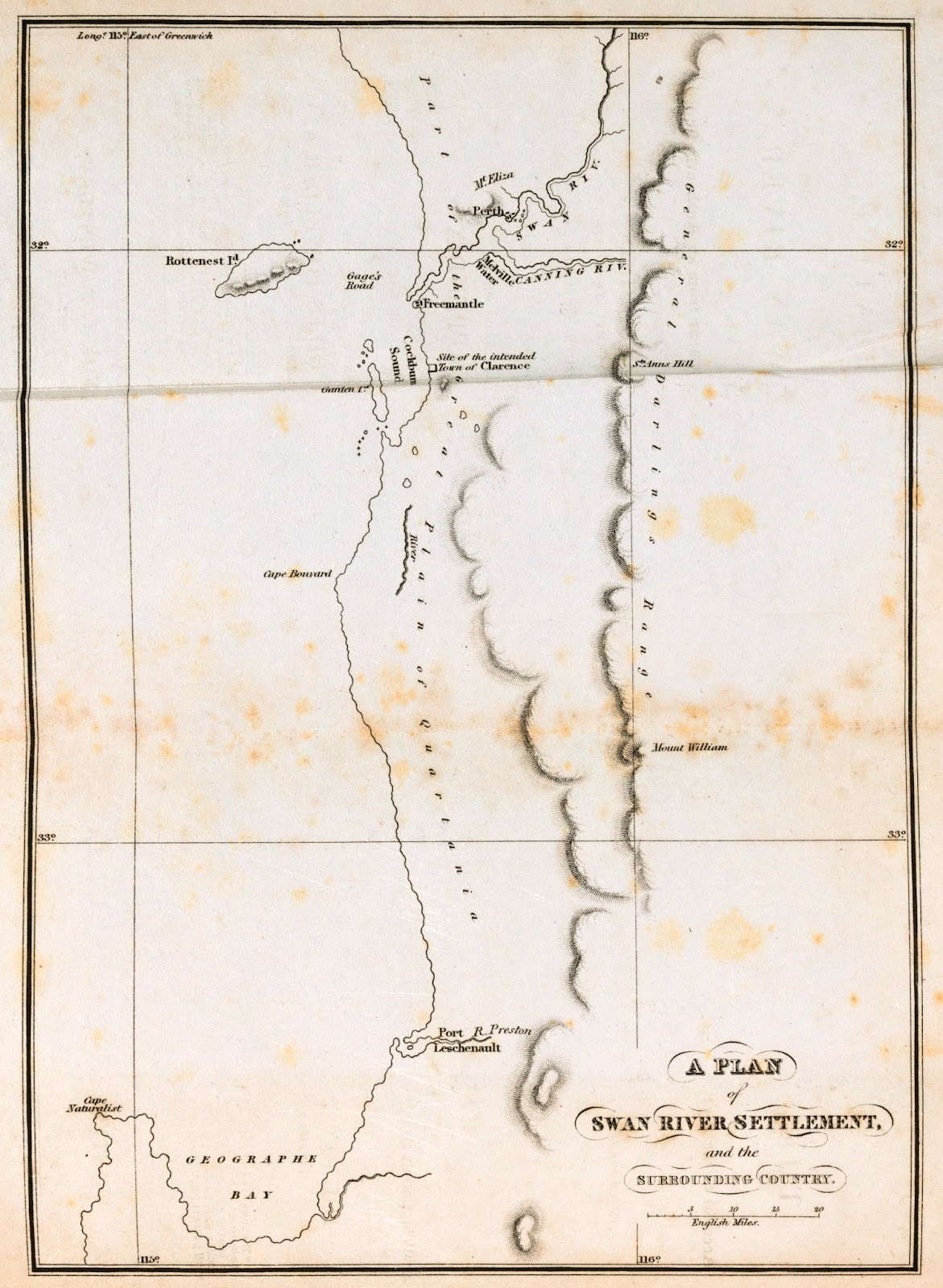
Descriptions of Clarence include references to a bush ‘pub’ built by Henry Bond, who called the watering hole ‘Bond’s Inn’ or ‘Wreck Inn’ as it was located at the site of the James wreck shown on a 1830 surveyor’s map reproduced here. The dwellings Bond built near James appear as squares scribbled in pencil.
Henry operated his licensed victualling house until his death in 1863. A new bush pub, the Coogee Hotel, would open in 1898 (Bond’s bush ‘pub’ featured in the April 2019 issue of Freo StreetWise and 2016 & 2017 commemorative editions of ‘Horseback Beach’, both available online).
 The ghostly 1947 image of Bond shows the bearded innkeeper with granddaughter Christina. Christina married Charles Henry Miner, a soldier in the 63rd infantry regiment at the Eureka Stockade in 1854.
In the same year, Henry took Peel to court to recover 100 pounds for unpaid work including building coffins on Garden Island.
Today, James is covered completely by sand from which artefacts have been removed by WA Museum archaeologists since the wreck was identified in 1975 including a carronade (small cannon) unearthed in 1976 about 600m from James; a second 20km from the wreck site and a third still in situ.
“Where is the Heritage Council of WA?” Terry asks. “These are events and people related to the founding of the state.”
Additional reports www.streetwisemedia.com.au.